







Leadership Development Resources for Managers and Supervisors
As managers, our most important tasks are to train, motivate, and build teams. When people know their jobs, are excited about coming to work, and are working together effectively, things tend to go very well. And when things are not going well, you can usually trace the problems to issues related to job skills/knowledge, motivation, or team dynamics. The manager/supervisor has a huge impact on all three areas.
Train/Develop Your Team
- Onboarding New Employees
- Using IDPs to Leverage Strengths
- Making the Most of Developmental Assignments
Motivate Your Team
- Our Role in Fostering Employee Engagement
- The Link Between Motivation and Innovation
- Employee Engagement
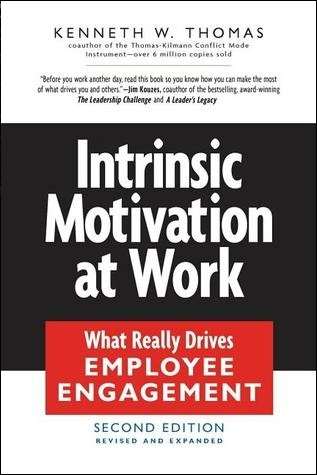
Intrinsic Motivation at Work: What Really Drives Employee Engagement
This book provides an exceptionally useful framework for understanding the factors that energize employees and prompt them to put more effort and creativity into their work. (Hint: The secret is not money or awards.) A must-read for any manager who is concerned about morale and wishes to increase every employee's level of commitment. Read more...
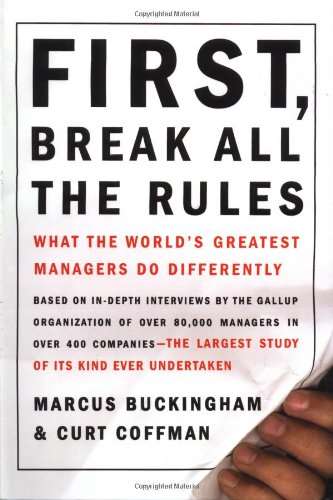
First, Break All the Rules: What the World's Greatest Managers Do Differently
Gallup interviewed over 80,000 managers to find out what differentiates great managers from average ones. The authors distilled this data down and identified 12 key factors that form the foundation of all great management strategies. This book has a wealth of terrific insights, including a useful section on the importance of putting people in jobs that match their talents. Highly recommended simply because all managers need to understand the 12 key factors.Read more...
Build Your Team
- Hiring the Best People for Your Agency
How to improve your chances of getting the right people on your team.
- Courage in the Corridors, by Ray Blunt
On creating a climate conducive to candor.
- Dynamic Followership: The Prerequisite for Effective Leadership
Key behaviors your should want your team members to exhibit.

The Five Dysfunctions of a Team: A Leadership Fable
This very readable business fable is one of the best things that has been written about the dynamics that undermine healthy teams. Lencioni uses a corporate executive team to demonstrate how an absence of trust, a fear of conflict, a lack of commitment, an avoidance of accountability, and an inattention to results can cause teams of otherwise competent individuals to fail. Tremendously useful to building teams in the real world. Read More...
Learning to Lead
Basic Supervisory Skills
Learn to:
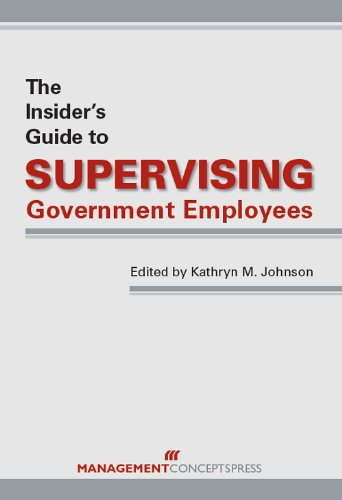
The Insider's Guide to Supervising Government Employees
Drawing on the stories of more than 30 contributors, this book is packed with wisdom about many of the challenges and intrinsic rewards of being a supervior in government. The authors start by walking the reader through a series of questions about whether they are even suited for a supervisory role and a self-assessment of their readiness. Includes stories and insights about delegation, giving and receiving feedback, managing conflict, and the many different roles supervisors can/should play (e.g. mentor, coach, energizer, leader, and talent scout). Highly recommended. Read More...
Success
- The Successes of Leaders, by Ray Blunt
Ray Blunt challenges us to think differently about the meaning of success.
- The Failures of Leaders, by Ray Blunt
Discusses some of the causes of derailment.
- How to Get Ahead Without Tooting Your Own Horn, by Ray Blunt
On the pitfalls of pride.
Self-Empowerment
- We Are the Key to Reform
Tips for taking ownership of the leadership climate you create.
- Tips for Change Agents
How to build support for your big idea.
- Total System Power, by Barry Oshry
We all play different roles in different contexts. How we approach each role has a big impact on the dynamics in our organizations.
- Cultivating Personal Effectiveness

The Empowered Manager: Positive Political Skills at Work
Reknowned organizational development thinker Peter Block provides an embarrassingly accurate description of how communication typically occurs in a bureaucratic organization and the problems caused by that norm. Block then moves on to describe how managers can take full responsibility for their actions and change their part of the organization. Highly Recommended. Read more...Stories of Leadership
- Mid-Level Leadership Stories
Six stories about successful public leaders.
Performance Management

The Set-Up-to-Fail Syndrome: How Good Managers Cause Great People to Fail
If you find yourself spending a lot of time trying to "fix" your relatively weaker performers, then you should definitely read this book. Manzoni and Barsoux explain how the low expectations managers project onto "perceived weaker performers" tend to become self-fulfilling prophecies. Includes some great material on how to recognize the syndrome, how to provide feedback more effectively, and how to break out of the set-up-to fail syndrome's downward spiral. For a sample, see the authors' article "Managing Smart: Enabling Under-Performers to Become Achievers" from the Ivey Business Journal. Read More...